
The workflow
The art of post-processing is nothing new, so much of it has its roots in the old days of analog photography. Much of the work one does on a digital picture is not so far away from the analog processes. Most software uses the same terminology as, say, Ansel Adams used to use: dodging, burning, retouching, highlights, and lowlights are terms we can use in both the analog and digital worlds. What’s missing from the digital is the tactile feel of the analog world, the feel of the plastic film, the on-and-off red light, the smell of the chemicals, all very romantic nowadays. Less romantic is the disposal of said chemicals with all its environmental cost.
The digital post-processing world is far less romantic, very precise, opening the door to wonder what constitutes a picture, especially since the addition of AI to the arsenal of the digital photographer. I mean, if I were to add an extension of a field to a picture that did not exist in real life or if I were to change the angle of a picture, much like what Apple is proposing in its future iOS 27, is it still my picture? We all have our line in the sand when it comes to AI, mine is I don’t add any that’s not there in the first place. I use it to select objects or areas with the intention to dodge or burn the thing. Like I did here with the man’s face. //
L’art du post-traitement n’est pas nouveau, car une grande partie de ses racines remonte à l’époque de la photographie argentique. Une grande part du travail effectué sur une image numérique n’est pas si éloignée des procédés analogiques. La plupart des logiciels utilisent la même terminologie qu’employait, par exemple, Ansel Adams : le dodging, le burning, la retouche, les hautes et basses lumières sont des termes que nous pouvons utiliser dans les mondes analogique et numérique. Ce qui manque au numérique, c’est la sensation tactile du monde analogique, le toucher de la pellicule de plastique, la lumière rouge qui s’allume et s’éteint, l’odeur des produits chimiques, tout cela est aujourd’hui très romantique. Moins romantique, en revanche, est l’élimination de ces produits chimiques avec tout son coût environnemental.
Le monde du post-traitement numérique est beaucoup moins romantique, très précis, ouvrant la porte à la réflexion sur ce qui constitue réellement une image, surtout depuis que l’IA s’est ajoutée à l’arsenal du photographe numérique. Si je devais ajouter une extension d’un champ à une photo qui n’existait pas dans la réalité ou si je devais changer l’angle d’une photo, un peu comme ce que propose Apple dans son futur iOS 27, est-ce toujours ma photo ? Nous avons tous notre ligne à ne pas franchir concernant l’IA, la mienne est que je n’ajoute rien qui ne soit déjà là au départ. Je l’utilise pour sélectionner des objets ou des zones dans le but d’éclaircir ou d’assombrir l’élément. Comme je l’ai fait ici avec le visage de l’homme.
📷 Leica M10, 50mm f1.5 voightlander nokton
ISO250 | 1/500sec | f/8 | ev -.7 stop
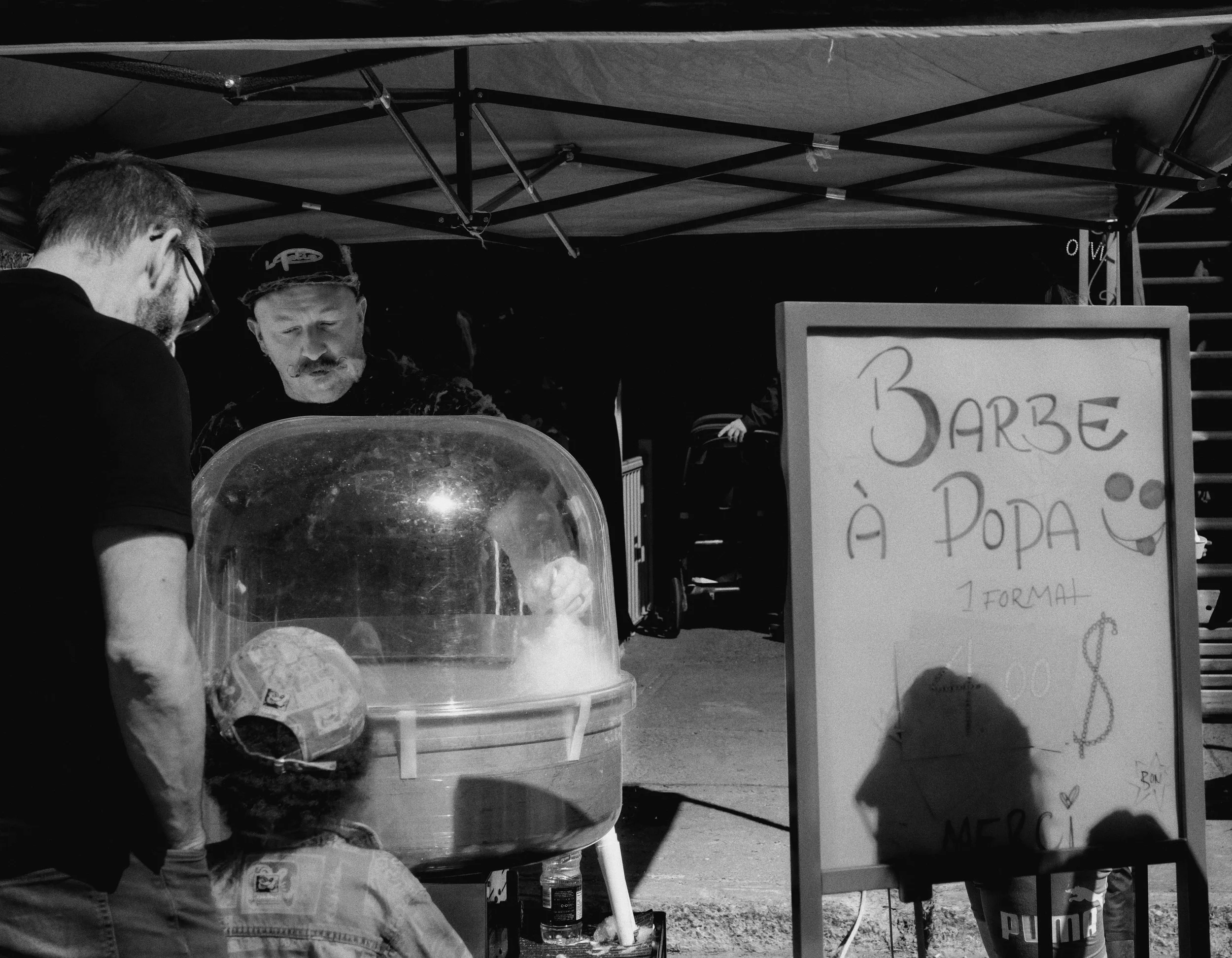
Apres/After
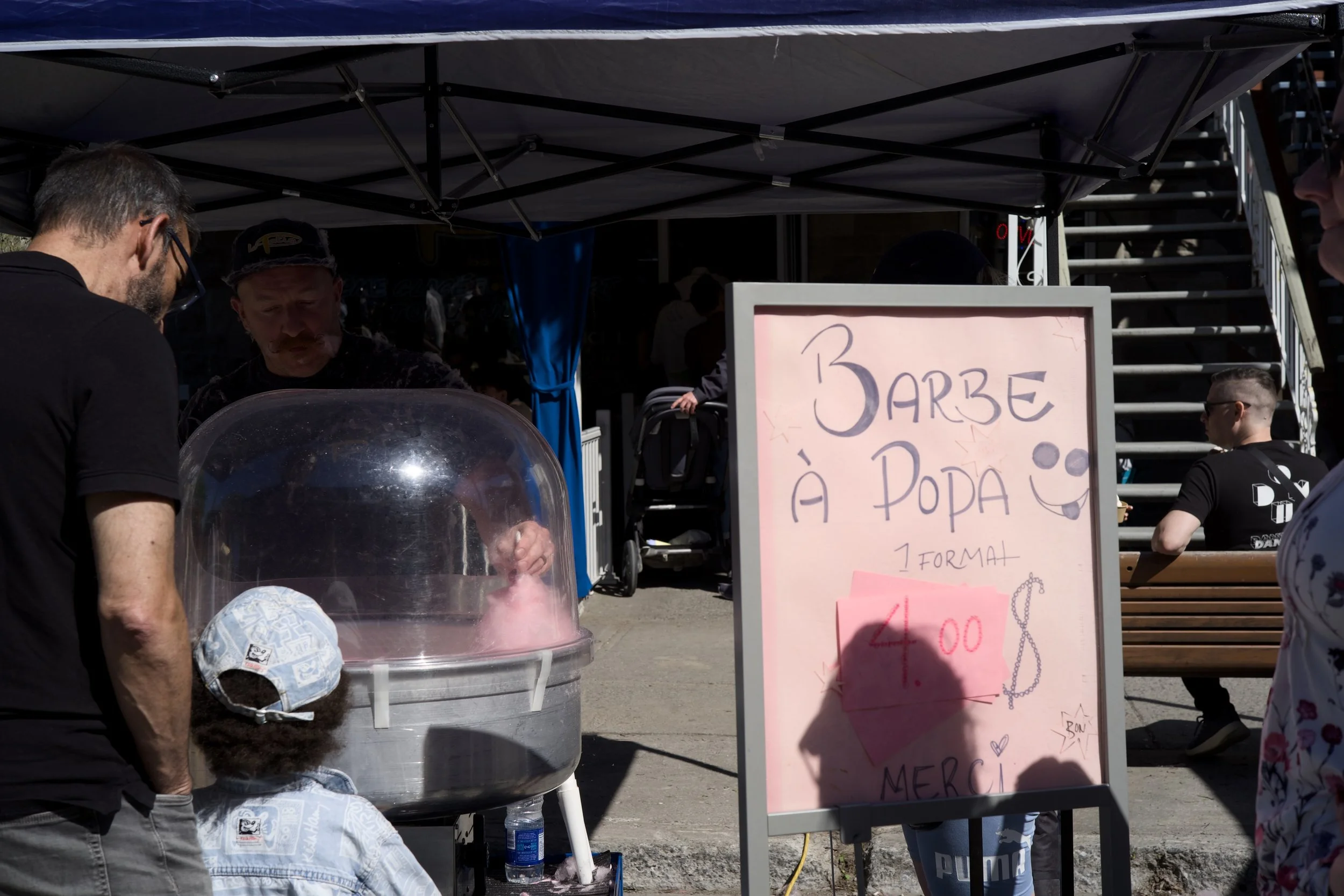
Original